
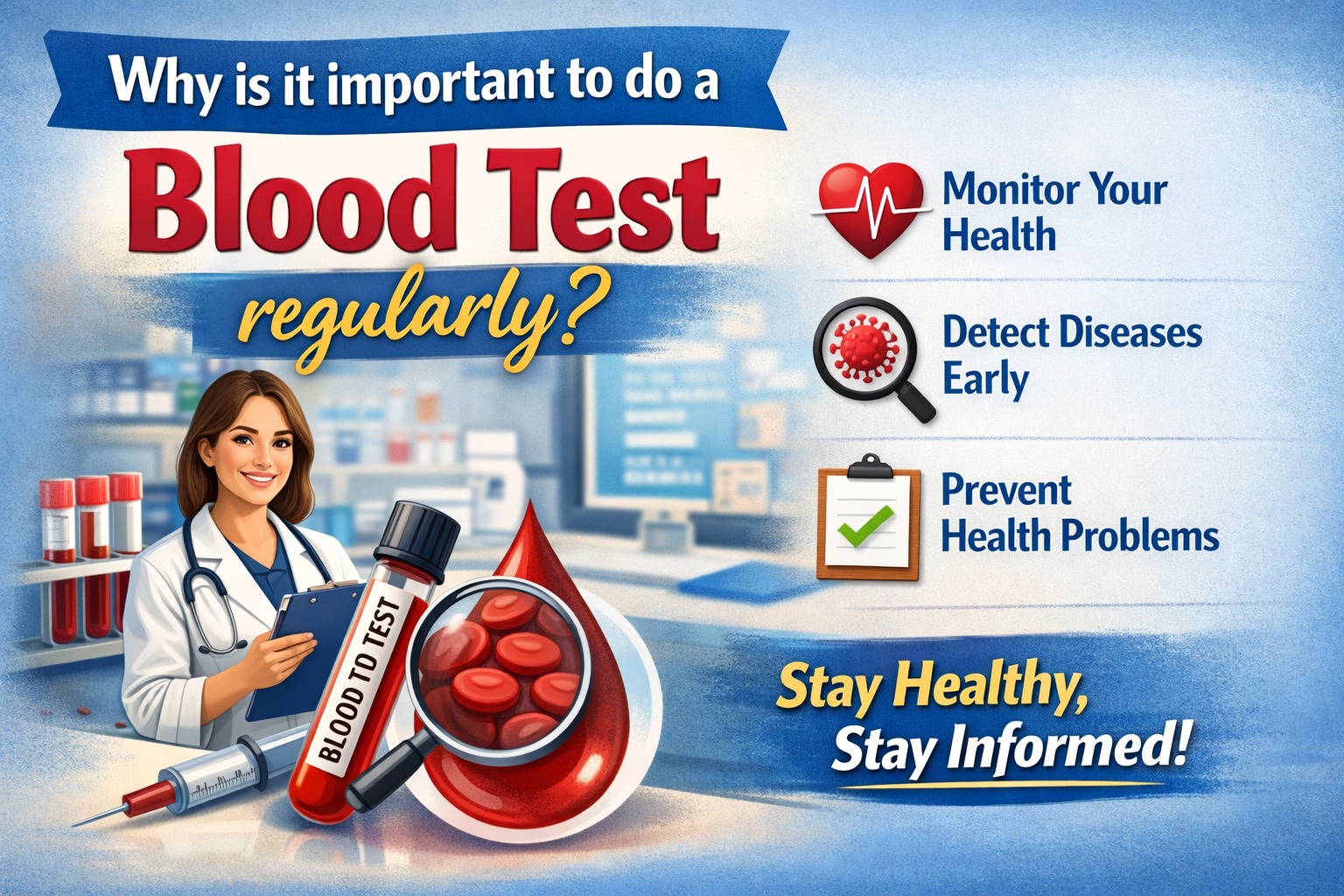
In today’s fast-paced lifestyle, we often prioritize work and family over our wellbeing. But your health deserves equal attention. One of the simplest ways to understand your internal health is through regular blood tests. They offer valuable insights into how your body is functioning and help catch issues early.
At Pulse Multispeciality Hospital, patients are encouraged to make routine blood tests a part of their preventive health care because early detection often leads to better outcomes.
If you’ve ever wondered why it is important to do a blood test regularly, this guide explains everything in an easy, friendly, and informative way.
What Is a Routine Blood Test?
Routine blood tests are basic diagnostic tests that measure different components of your blood to check how your organs, hormones, and metabolism are functioning.
Some common routine blood test profiles include:
- Complete Blood Count (CBC) – checks immunity, infections, anemia
- Lipid Profile – measures cholesterol levels
- Blood Sugar / HbA1c – helps detect diabetes
- Thyroid Function Test (TSH, T3, T4) – checks thyroid hormone levels
- Liver Function Test (LFT) – assesses liver condition
- Kidney Function Test (KFT) – evaluates kidney health
- Vitamin D & B12 tests – checks essential nutrient levels
These tests form the foundation of routine monitoring, and preventive healthcare.
Why Is It Important to Do a Blood Test Regularly?
Let’s explore the major reasons why regular blood tests are beneficial and strongly recommended by experts at Pulse Multispeciality Hospital.
The Top 10 Warning Signs of Heart Disease You Shouldn’t Ignore
1. Early Detection of Silent or Hidden Diseases
Many conditions develop quietly without showing symptoms—such as diabetes, high
cholesterol, thyroid disorders, or
vitamin deficiencies. A routine blood test can identify these issues in their early
stages.
This early detection helps you:
- Get timely treatment
- Avoid complications
- Prevent disease progression
That’s why early detection through blood tests is considered one of the most powerful tools in modern preventive healthcare.
2. Monitoring Vital Organ Functions
Your organs might be working overtime without you knowing it. Regular blood tests can assess:
- Liver performance
- Kidney filtration levels
- Heart-related markers
- Electrolyte balance
Tests like LFT, KFT, lipid profile, and electrolyte panels ensure that your internal systems are functioning well. Detecting organ stress early prevents long-term damage.
3. Tracking Chronic Conditions
If you already have a medical condition like diabetes, thyroid imbalance, PCOD,
hypertension, or cholesterol
issues—routine blood tests become even more important.
They help doctors monitor:
- Medication response
- Lifestyle changes
- Progression of the condition
- Risk of complications
Regular testing ensures that chronic conditions stay under control.
4. Detecting Nutrient and Vitamin Deficiencies
Vitamin D, Vitamin B12, iron, and calcium deficiencies have become extremely common,
especially with modern diets
and sedentary lifestyles.
These deficiencies can cause:
- Fatigue
- Low immunity
- Hair fall
- Muscle pain
- Mood changes
Routine blood tests help identify these deficiencies early so they can be corrected with diet or supplements.
4. Supporting Preventive Healthcare
Today, healthcare is shifting from cure to prevention. Routine blood tests help you stay
ahead of illness rather
than react to it.
Preventive benefits include:
- Maintaining long-term health
- Reducing medical expenses
- Understanding your body better
- Avoiding sudden health risks
This is why doctors emphasize the importance of preventive health checkups—and routine of it.
How Often Should You Get a Blood Test?
Most healthy individuals should have a yearly blood test. However, if you have any lifestyle diseases or symptoms, your doctor may recommend more frequent testing.
Specialists at Pulse Multispeciality Hospital typically suggest bi-annual or quarterly tests for chronic health conditions.
Common Blood Tests You Should Get Regularly
Some essential tests include:
- CBC
- Lipid Profile
- HbA1c
- Thyroid Profile
- LFT & KFT
- Vitamin panels
- Iron studies
What Happens If You Avoid Blood Tests?
Skipping routine blood testing may lead to:
- Late detection of diseases
- Uncontrolled health conditions
- Higher medical costs
- Increased risk of complications
Prioritize Your Health with Regular Blood Tests
Regular blood tests are one of the smartest ways to understand, monitor, and maintain your health. They help detect problems early, prevent complications, and keep you informed about your body.
Whether you’re focusing on preventive care or managing a health condition, making routine testing a habit can transform your wellbeing. And if you’re looking for trusted healthcare, Pulse comprehensive diagnostic services designed to support your long-term health.
Frequently Asked Questions (FAQs)
1. What diseases can be detected early through blood tests?
Conditions like diabetes, cholesterol issues, thyroid disorders, infections, liver problems, and vitamin deficiencies can be detected early.
2. Are regular blood tests necessary even if I feel healthy?
Yes. Many internal issues show no symptoms until they become severe.
3. How often should routine tests be done?
Generally once a year; more frequently if you have an existing condition.